

Tuesday, June 20, 2006

That's an Exit, Not an Entrance


Walt Disney’s disdain for the hard sell was a cornerstone philosophy in his creation of Disneyland. Guests of the Magic Kingdom wouldn’t have to deal with the sideshow barkers and pushy salesmen so common in carnivals and state fairs anymore. Their ability to move about the park unencumbered and make spending choices purely of their own volition was important to Disney when he debuted his new form of family entertainment. History has shown this respect for the paying customer pays off handsomely.

Examples of Walt’s kinder gentler retail ideology start on Main Street and continue throughout the park. Sounds, smells and sights gently lure guests into spaces that make the shopping experience an organic extension of their own unique adventure rather than one of high pressure. The intoxicating smell of fresh fudge wafting from the candy shop, the hiss and flare of the glass blower in New Orleans Square, the whimsical art of the window display begging for closer inspection; all of it cleverly designed to nudge guests into a spending comfort zone without degrading their sense of personal choice and freedom.

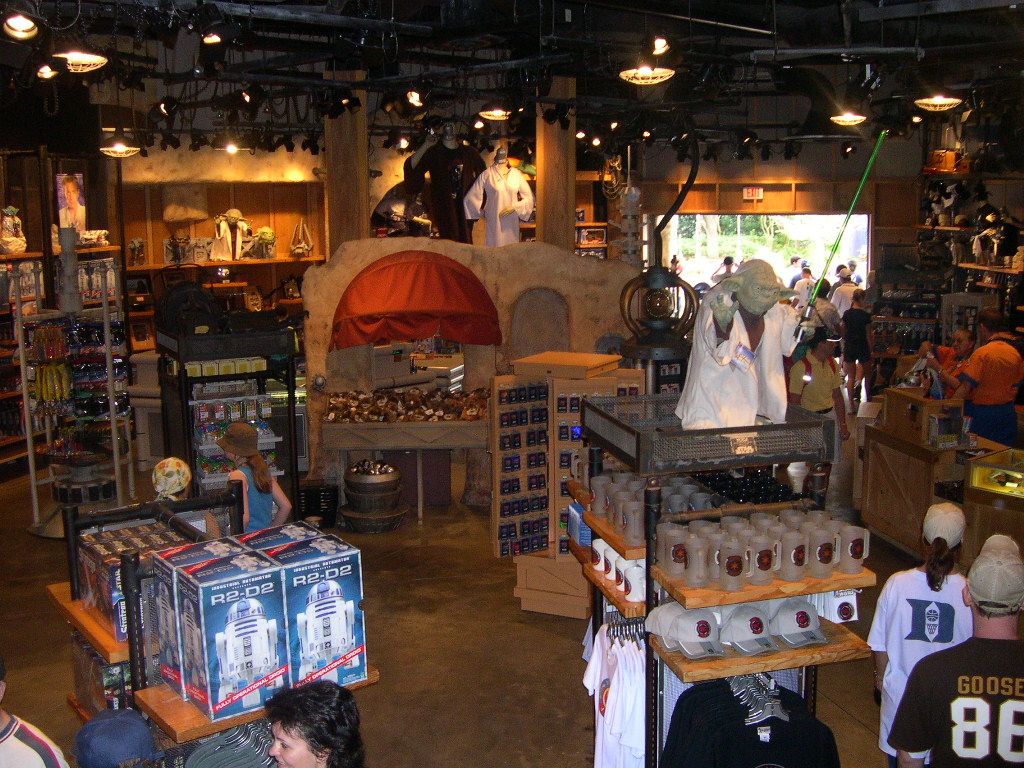
But in the last couple decades Disney Management has completely turned the tables on Walt’s soft sell / escapist sell paradigm. Nowhere is this more prevalent than in the company’s current trend to assure that no new attraction debut unless guests are forcibly corralled through one or more shopping venues before they exit while other attractions are shape-shifted to conform to this new profit driven model.
 
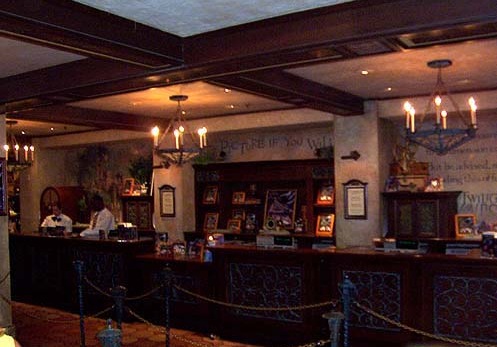
In Florida alone the list of attractions cum tchotchke traps seems endless. Tower of Terror, Star Tours, Test Track, Stitch’s Great Escape, Winnie the Pooh, Maelstrom, Rock ‘n Roller Coaster and many more all demand guests exit through assaultive merchandising gauntlets before they’re allowed back on neutral ground. In California, where once you could hear the gentle tick-tock of Small World’s animated clock as you wandered from the exit, now the clatter of registers quickly overwhelms it as you’re briskly shepherded into a merchandising kiosk to the left of the attraction.


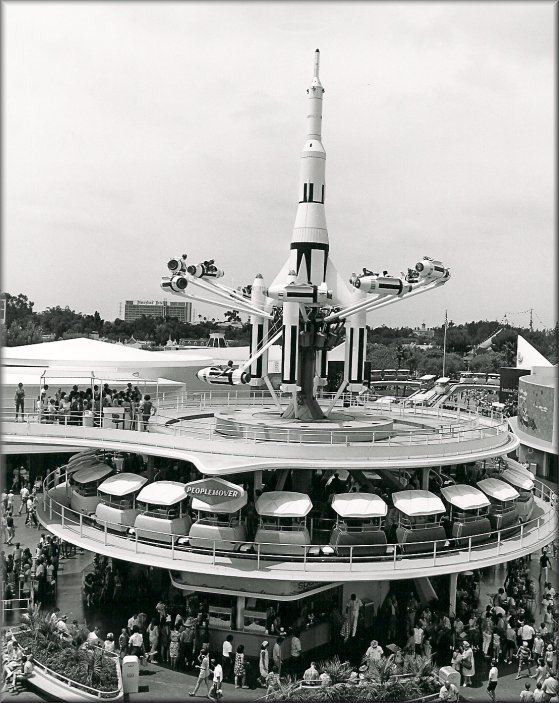
Often these pocketbook shakedowns are complimented by the ubiquitous flood of post-ride video screens begging you to take home yet another high-priced snapshot of your latest thrill ride climax. And even where the climax is questionable at best, as with DINOSAUR at Disney’s Animal Kingdom or Space Ranger Spin at the Magic Kingdom, you can bet Disney execs have found somewhere along the ride path to pop off yet another flash-bulb.

Selling souvenirs based on a theme park attraction is certainly an admirable service, especially when the attraction is as transporting and magical as, say, Pirates of the Caribbean. But back in 1967 Disney designers weren’t under the jurisdiction of profit addicted M.B.A.’s and still retained a deep respect for a guests free-will. 'Pirates Arcade Museum', the Pirates themed shop and arcade that opened concurrently with the attraction, was not only placed outside and to the right of the show’s exit, but was an organic addition to the New Orleans Square street scape. Guests could enter or exit at their free will, confident that if they made a purchase it was based on their own personal inspiration, not on a company’s shrill insistence.
 
This new trend to force guests into retail spaces whether they want to be there or not is damaging on several levels, not least of which is the degradation of the ‘theme’ in the very theme park Walt Disney pioneered. With the immediate onslaught of registers, photo video screens and endless racks of cotton tees immediately appearing after a trip to a 1930’s Hollywood Hotel or an enchanting Himalayan village guests are quickly ripped from the surrounding ambiance and thrown into the cynical here and now of profits and price-margins, any lasting glow from their magical adventure snuffed out, their buzz killed, with careless abandon.
 
Secondly, savvy guests can’t help but feel they’re being manipulated and pan-handled the moment they leave their ride vehicles, now caught in a retail web not of their own choosing. Where once they had free choice in whatever shopping venue they preferred, now it’s Disney Marketing that chooses for them whether they like it or not. The difference is far from subtle and deeply discouraging.


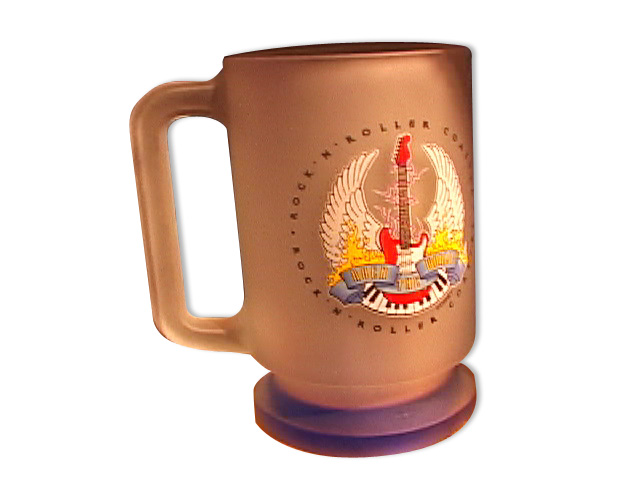
Lastly this whole retail trend at the parks is just transparently condescending. Rock n' Roller Coaster, it appears, is only an elaborate advertisement for the Aerosmith Mugs you’re pressured to purchase as you exit. Whether or not you’ve even enjoyed the last attraction you visited (Stitch’s Great Escape anyone?), the Disney Company is now shamelessly proclaiming that they don’t care. They just want your money.

And now.  

Tuesday, June 06, 2006

Disneyland is NOT a Museum!


How many times have you heard it?

Walt Disney’s famous quote: "Disneyland will never be completed. It will continue to grow as long as there is imagination left in the world."

…Or the oft-repeated WDI slogan: “Disneyland is not a museum.”

In any serious discussion of Disneyland’s preservation or restoration, it’s likely that one or both of these statements will crop-up as a conversation-stopper. These not-so-magic words are invoked to shutdown debate, often by those with a personal stake in the outcome.

Spouted as Gospel, such polarizing rhetoric implies that only the most stubbornly nostalgic, progress-resistant purist would dare to disagree.

Yet Walt invited each of us to feel an ownership of the park: “Disneyland is your land. Here, age relives fond memories of the past... and here youth may savor the challenge and promise of the future.” So when those fond memories are tampered with, we take it personally.

From artists to everyday guests; the dreams and wishes of untold Disneylanders are all-too-easily dismissed by the ever-ready excuses.

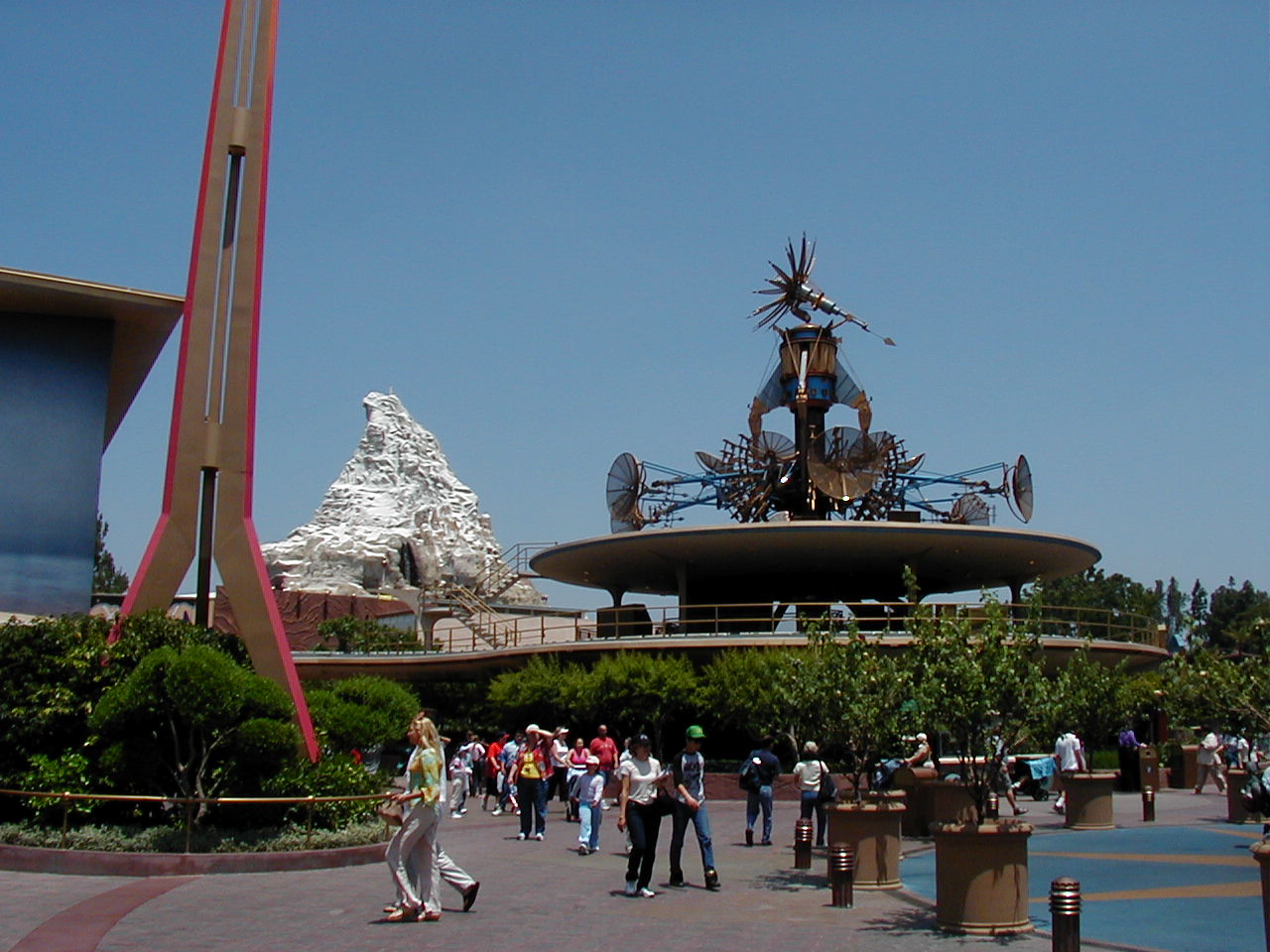
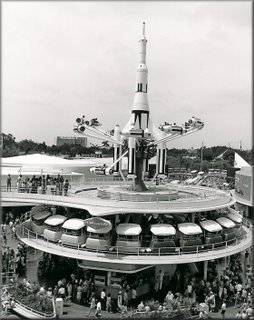
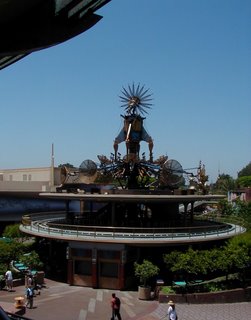
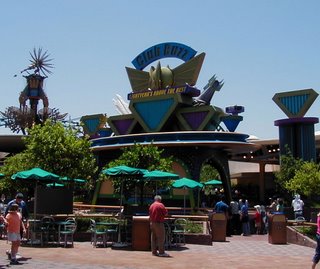
These tired old warhorses are trotted out regularly for the press whenever there are controversial additions or subtractions in Anaheim, such as the political correction of Pirates of the Caribbean, the eviction of the Swiss Family Robinson, or the twilight of Tomorrowland.

"I'm as pure as Disneyland fanatics can get, “ Tony Baxter told The Los Angeles Times in 1995 as the park embarked on a fateful program of change, “When a new ride comes and an old one drops out, there are bound to be twinges. But it has to happen, or (Disneyland) becomes a museum and an arthritic collection of things people were attached to in the '60s."

"It's always been this way at Disneyland," added Marty Sklar, who began working for the company as park publicist before it opened in 1955, "It was like on opening day, the one real dynamic was change… Walt's famous quote was 'Disneyland will never be completed as long as there's imagination left in the world.' "

"Pirates of the Caribbean has become the standard by which our guests measure every other attraction,” Sklar offered in 1997, “But it's not a museum piece either. We want to keep adding to it and improving it like everything else."


As Tarzan’s Treehouse came online in 1999, so did a chat with Imagineers:

“Master_Gracey: Bruce: Pleeeeaaaase don't make any radical changes to Haunted Mansion or Pirates! I'm beggin' ya!

Bruce_Gordon: I was just using those as an example...

Bruce_Gordon: But you've prompted me to type out my "Disneyland is not a museum" speech.

Bruce_Gordon: The park needs to constantly change....

Bruce_Gordon: When Walt was around, attractions came and went like you wouldn't believe.

Bruce_Gordon: He put in the Viewliner train of the future in 1957 -- then tore it down in 1958 to make way for the monorail.

Bruce_Gordon: He's the one that said it would never be finished....”

But in the post-Walt era, is every change equal?

Are we to blindly accept all revisions to Disneyland, good or bad - - from the nifty New Fantasyland to the aesthetic assault of Winnie-the-Pooh and Tomorrowland ’98 - - as if each new scheme were preordained by Walt?

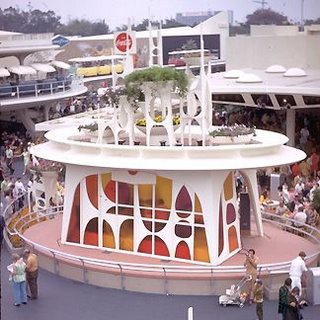
Surely sacrificing Mary Blair’s handcrafted tile murals for printed billboard wraps was not Walt’s treasured dream for the future. Nor do long-abandoned attractions in full-view of the paying public seem much like Progressland.

So who decides for all of us? Can anyone with a wrecking ball and a dream become the next Walt Disney?


What did the maestro really want? In various interviews, Walt expanded on his expansion theory:

“Disneyland is like a piece of clay, if there’s something I don’t like, I’m not stuck with it. I can reshape and revamp.”

“There are many ways that you can use those certain basic things and give them a new décor, a new treatment. I’ve been doing that with Disneyland. Some of my things I’ve redone as I’ve gone along. Reshaped them.”

“The way I see it, Disneyland will never be finished. It’s something we can keep developing and adding to. A motion picture is different. Once it’s wrapped up and sent out for processing, we’re through with it. If there are things that could be improved, we can’t do anything about them anymore. I’ve always wanted to work on something alive, something that keeps growing. We’ve got that in Disneyland.”

…So, Walt clearly expected his heirs to create thrilling new additions for Disneyland’s future and fix the problem areas.

But did he also intend that we turn our back on the past? Quite to the contrary, nostalgia was part of Disneyland’s very concept. After all, the great castles, parks, monuments and museums of European antiquity had inspired its design.

Walt elaborates:

“I love the nostalgic myself. I hope we never lose some of the things of the past.”

“Disneyland will be the essence of America as we know it, the nostalgia of the past, with exciting glimpses into the future. It will give meaning to the pleasure of children – and pleasure to the experience of adults.”

“The idea of Disneyland is a simple one. It will be a place for people to find happiness and knowledge. It will be a place for parents and children to share pleasant times in one another’s company; a place for teachers and pupils to discover greater ways of understanding and education. Here the older generation can recapture the nostalgia of days gone by, and the younger generation can savor the challenge of the future. Here will be the wonders of Nature and Man for all to see and understand. Disneyland will be based upon and dedicated to the ideals, the dreams and hard facts that have created America. And it will be uniquely equipped to dramatize these dreams and facts and send them forth as a source of courage and inspiration to all the world. Disneyland will be sometimes a fair, an exhibition, a playground, a community center, a museum of living facts, and a showplace of beauty and magic. It will be filled with accomplishments, the joys and hopes of the world we live in. And it will remind us and show us how to make these wonders part of our own lives.”

Hey - - Did Walt just say Disneyland was sometimes a museum?
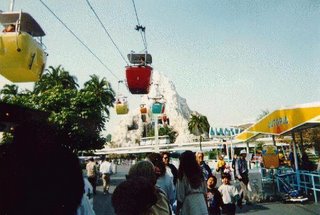


“To co-ordinate the ‘Progressland’ project, General Electric assigned a vice-president whose previous expertise had been in heavy machinery,” Bob Thomas relates in Walt Disney: An American Original, “He listened impatiently as Walt outlined how the show would trace the American household from 1890 to the future. When Walt finished, the vice-president remarked, “Well, that’s not exactly what we had in mind. We’re in the business of selling progress. What do we want with all that nostalgia?”

“To the WED staff, the room temperature seemed to drop perceptibly. Walt replied with an edge to his voice, “Look, I built this studio on the basis of nostalgia, and we’ve been doing a pretty good job of selling it to the public all these years.” Afterward he was so incensed that he ordered the legal department to determine if the General Electric contract could be broken. When the G.E. president, Gerald Phillippi, visited the studio on a vacation two weeks later, Walt told him, “I’m having trouble with one of your vice presidents.” The man was instructed to stay out of Walt’s way.”

We all know the Old Man never intended the phrase "Disneyland will never be completed…" to mean "Disneyland must always change in the name of progress.”

Surely, Walt wanted the best of both worlds: to perpetuate the classic, ageless art of Disneyland to our kids and grandkids - - just as he had reintroduced his film library to sparkling new eyes every seven years - - while still adding startling new breakthroughs in technology and entertainment to keep the mix ever fresh.

It probably never occurred to him that executives would one day choose to downgrade extant facilities in the name of progress, and sometimes without a replacement on the horizon. After all, he was about building, adding, “plussing.”

"The fun is in always building something. After it's built, you play with it awhile and then you're through. You see, we never do the same thing twice around here. We're always opening up new doors."
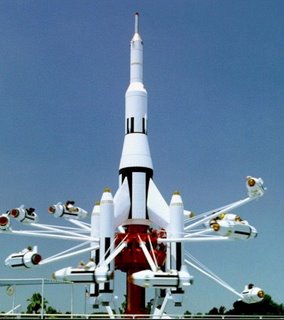


There is no doubt Walt built things to last. Of the attractions designed for the New York World’s Fair, he said, "After the fair these attractions will all move to Disneyland, where they will find a permanent home."

“Disneyland is not just another amusement park. It’s unique and I want it kept that way. Besides, you don’t work for a dollar – you work to create and have fun.”

As Roy O. Disney confirmed in a tribute to his late brother, “Walt used to say that Disneyland would never be finished; that through his creations, future generations will continue to celebrate what he once described as "that precious, ageless something in every human being which makes us play with children's toys and laugh at silly things and sing in the bathtub and dream."

On this we all agree. While the new Walt Disney Museum prepares to open in San Francisco's Presidio under the watch of Diane Disney Miller, it's not enough. It will be a more typical museum, a collection of really cool things to observe under glass.

But Disneyland is the real deal. A physical, environmental creation of Walt's own making, a living museum of wonder. There, we can leave the real world behind and enter Walt's personal vision. It's a landmark shaped by the very hands of this remarkable artist and entrepreneur, a man who gathered some of the foremost talents and tastes of the 20th Century to create an amazing treasure park of art, color and beauty. What a shame it would be not to preserve and restore those precious ideas, artifacts, shapes and colors for our progeny. No matter what you want to call it.

“To Baxter,” The Los Angeles Times reported in 1995, “…it's the Tiki Room that is untouchable -- in contrast to his anti-museum stance.”

"It revolutionized the industry," he says. "It's the first time sound and movement have been sequenced to a three-dimensional performance. To me it's important. It should belong if only as an institution."

I guess sometimes Disneyland is a museum after all…


Wednesday, May 31, 2006

The Slow Sad Sinking of Uti


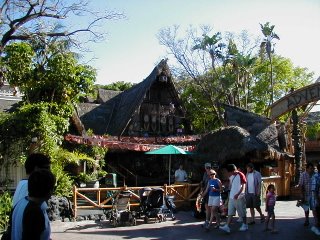
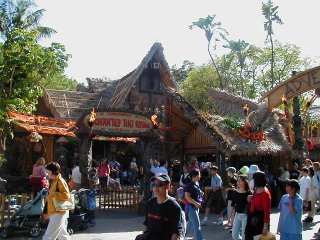
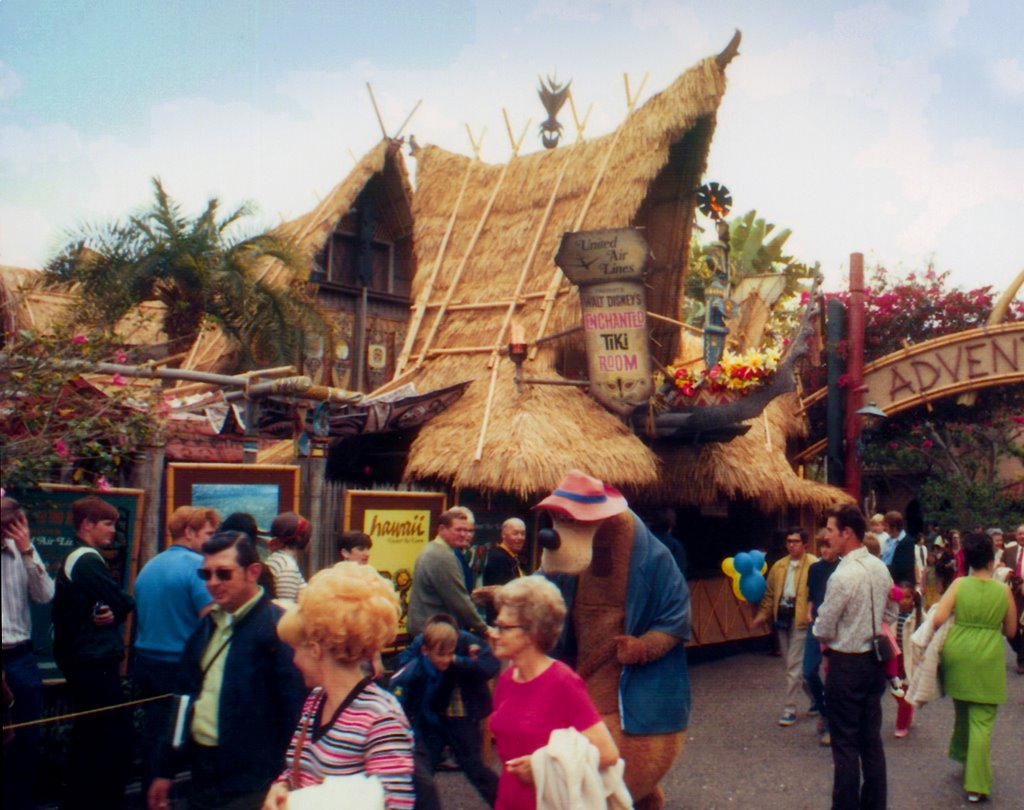
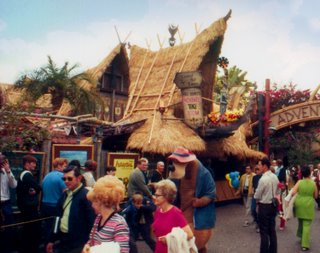
Most visitors to Walt Disney’s Enchanted Tiki Room at Disneyland are quite familiar with the charming pre-show roll call of Tiki Gods and Goddesses in the courtyard waiting area. All eight whimsically carved sculptures come to life and share a bit of their history and mythology before guests enter into the show building.

What most visitors don’t realize is that one figure is missing, arguably the most evocative and magical of the bunch.

Her name was Uti, the Goddess of fishing, and for nearly four decades she towered proudly over the main entryway to the Tiki Room’s tropical garden pre-show, the very first of Master Imagineer Rolly Crump’s fanciful Tiki sculptures guests would encounter during their visit. Holding a fully functioning gas flame torch and sporting door knocker sized hoop earrings, Uti stood inside an enormous outrigger canoe sheltered beneath a towering A-frame thatched roof.


Like most every detail of Disneyland’s classic attractions, Uti wasn’t mere window dressing but had a unique history all her own. Rolly Crump, a stickler for context and storytelling, sought inspiration from the book “Voices on the Wind; Polynesian Myths and Chants” by Katherine Luomala and found Uti’s backstory in a legend regarding Hawaiian gods who taught village fisherman to catch fish at night by holding a torch above their heads when out in their canoes. The fish, attracted by the firelight, could then easily be speared.

From such research Uti was born, a freshly caught fish in one hand and a torch in the other, her seductive flame now attracting Disney guests beneath her elaborate canoe instead of fish.

But Uti and her prime piece of real-estate wouldn’t last through the approaching maelstrom of Disney’s corporate restructuring. It started inconspicuously enough when the gas line to her torch was turned off in the mid-90’s. And then, like a tropical typhoon, the Pressler and Harris era of neglect hit the Tiki Room with a vengeance. Painted wood peeled and rotted, roof thatching deteriorated and the original 60’s tiles on the lanai floor were kicked loose by guest traffic and then stowed away and carried off in the pockets of others.

But the worst was yet to come. In the early morning of January 8, 2000, wood rot caused the support poles on Uti’s giant A-frame home to collapse against the turnstile and juice bar. The Tiki Room was closed for the day and barricades quickly set up. Uti and her noble perch were then unceremoniously removed.


Facilities promised that the entire structure would be restored and re-installed in due time but as the days went on it became clear that this was a pie-crust promise, easily made and easily broken. A series of cheap patio style umbrellas were installed over the entrance while Uti sat grounded in the makeshift boneyard behind Pirates of the Caribbean, still bolted onto her canoe. Eventually a cast member pried her loose and took her home while the hand-crafted outrigger was reportedly thrown away. Being one of a kind, there was no mold to reproduce it.


In March of 2005 the Disneyland 50th restoration of Walt’s famous Tiki Room unveiled a new but much less impressive marquee to the attraction. Though park marketing touted the re-hab as a return to Tiki Room’s original glory the fishing goddess was nowhere to be found.

Uti’s demise is admittedly a very small example of the recent degradation of the Disney Parks. But she stands as a much bigger metaphor for management so out of step with the meaning and magic behind the parks that to them the corporate stratagem, “If it’s broke, don’t fix it” makes perfectly good business sense.

But there’s hope. Plenty of Disney creatives continue to embrace the legacy of the classic Imagineers, firm in their belief that quality is still the best business plan. It’s no accident, for instance, that Uti makes no less than four appearances in the recent collection of Disneyland 50th collectibles, from limited edition figurines to pins and scale models, all of them long since sold out.

To those who truly care, keeping her torch lit is merely the first step on the long road ahead. It’s time for Imagineering to call her spirit home.

Thursday, May 18, 2006

What's in a Name?


The formation of WED Enterprises in 1952 was a major turning point for Walt Disney Productions and in the personal lives of Walt and Roy Disney.

As biographer Bob Thomas recounts in Building a Company: “Lacking any encouragement from Roy, Walt decided to finance the planning stages of Disneyland himself. He established Walt Disney, Incorporated, installing himself as president…”

“…Roy was deeply concerned that stockholders would be disturbed over possible conflict of interest between Walt Disney Productions and Walt Disney, Incorporated. He suggested that Walt change the name of his company, and it became WED Enterprises, the initials of Walt’s name (Walter Elias Disney).”

Walt said, “Well, WED is, you might call it my backyard laboratory, my workshop away from work. It served a purpose in that some of the things I was planning, like Disneyland for example… it’s pretty hard for banking minds to go with it… so I had to go ahead on my own and develop it to a point where they could begin to comprehend what I had on my mind.”

Author Steven Watts describes WED’s original working environment in The Magic Kingdom: “As these endeavors unfolded, Walt developed a special fondness for WED. He spent many hours roaming its premises, inspecting mockups in the model room, tossing around ideas, and brainstorming with the staff about potential projects. The pressures that attended the Disney Studio’s extensive production schedule of movies and television shows had become overwhelming, and Walt found a kind of respite by escaping into this smaller, more innovative group.”

WED was soon in the business of Imagineering, the Disneyspeak union of imagination and engineering.

Out of WED’s Imagineering braintrust came the theories, aesthetics, design and engineering of Disneyland, the advancement of three-dimensional storytelling, the development of robotic techniques in Audio-Animatronics and the perpetuation of an “architecture of reassurance” as inspired by Walt Disney’s personal sense of optimistic futurism.

The Disney theme parks we all know and love would never have existed without the risks taken by Walt and WED. In this protected environment, capital served the creative, mighty corporations funded new technology for our amusement and business was never “as-usual.”

WED was not operated for short-term return-on-investment, but was the playground of artists who excelled in making the impossible tangible, exploring new avenues of entertainment and imagining a bettered society through the miracles of science and industry.

But such a subjective enterprise was never popular with Walt’s longtime adversaries, “the sharp-pencil boys.” The experimental research and development at WED was considered a money-pit, though the end-results of Imagineering birthed the inspirational, lasting assets that still drive profits today.

As the holding company for Walt’s personal services and royalties for the Walt Disney name, WED became a divisive business point between Walt and Roy Disney as their small operation grew into a larger enterprise beholden to investors.

When Walt Disney Productions finally purchased WED’s design and engineering operations from Walt in the 1960’s, Roy himself intervened in the increasingly contentious negotiations by refocusing his legal team on the creative contributions of his brother, “Let me say a few words. You seem to forget how important Walt Disney has been to you and your lives. None of us would be here in these offices if it hadn’t been for Walt. All your jobs, all the benefits you have, all came from Walt and his contributions. He deserves better treatment than what has been shown here.”

After Walt’s death, Roy stepped in to realize his brother’s dream of Walt Disney World. WED’s legacy was all but assured.

But in 1987, as Michael Eisner reinvented boutique Walt Disney Productions as the global corporate entity known as The Walt Disney Company, WED Enterprises was rechristened Walt Disney Imagineering (WDI) in the bargain. Gone was WED’s cool mid-century modern logo. In its place was the bland corporate brand and letterhead font.


Along with the name change came a chilling transformation in culture.

“There was a severe power shift at Walt Disney Imagineering in the early-90s, which completely changed the creative landscape. The best ideas no longer made it into the parks, and WDI fell victim to the kind of personal politics and rampant cronyism that is often associated with Hollywood studios,” reported SaveDisney.com in 2004. “Many talented Imagineers were laid off or put out to pasture, while finance executives were given the power to make creative decisions.”

Under WED, artists were nurtured and brought up in the company for a lifelong career. At WDI, creatives became contractors hired from project-to-project, when the work was not outsourced completely.

The theme parks were now seen as little more than branded retail outlets. Increasingly risk-averse new offerings, attraction closures, budget-conscious re-dos, and slapdash merchandise-kin dark rides documented the change.

WED had been the Toymaker’s Workshop, domain of artists, entertainers, designers and dreamers.

WDI was the no-nonsense workplace of MBAs, real-estate developers, marketers and screamers.

The name of the game was now selling, not storytelling. Instead of WED’s otherworldly Pirates, ghosts and mighty microscopes, WDI built time-share condominiums, cruise ships and Mickey dolls that send consumer messages.

Yet this too has passed into history… Finally, after a very dark age for the Magic Kingdom, we stand at the dawn of a new era of empowered creators through the appointment of Pixar’s John Lasseter as the creative head of Walt Disney Imagineering.

As John told Fortune recently, “I can't tell you how thrilled I am to have all these new roles. I do what I do in life because of Walt Disney - his films and his theme park and his characters and his joy in entertaining. The emotional feeling that his creations gave me is something that I want to turn around and give to others.”

To that end, wouldn’t it be a fittingly symbolic gesture to return Walt’s original acronym – WED - to the division?

The return of WED Enterprises would loudly announce that the artists have come home to stay. Ideas are back in vogue. Innovation, quality and a reassuring experience beyond all expectations are once again the name of the game.

WED – Walter Elias Disney - is a name for Walt Disney Imagineering to live up to.


Monday, May 15, 2006

Attention Must Be Paid


Although Re-imagineering’s goal is to catalog the litany of missteps within WDI over the last couple decades, when an Imagineer and his team not only 'get it' but get it right, attention MUST be paid.

Expedition Everest, the new themed coaster at Disney’s Animal Kingdom in Orlando, continues to expand upon and advance the rich traditions of Disney's classic attractions. Hats off to Joe Rohde and the entire team of passionate designers, craftspeople and storytellers who stayed true to their vision despite the constant threat of corporate meddling.

• Most notable, this is an attraction not based on a preconceived film property. In a hobbled WDI culture where nothing gets off the ground unless it’s firmly hog-tied to a synergistic game plan, getting an original idea to fly is next to impossible. Let us hope this is the beginning of a beautiful trend.

• This is an attraction with timeless appeal. Yesterday, today and tomorrow the legend of the Yeti isn’t going away anytime soon. Here is an investment with built in resonance decades from today.

• Working in the Eisner era of relentless penny pinching, Joe Rohde and his team fought for and somehow secured several tours of China, India and the Himalayas to research the culture, architecture and landscapes that informed this attraction. Is the exorbitant cost of sending a team halfway across the earth to do research for a theme park attraction really going to make any difference?

Absolutely.

Such obsessive attention to the tiniest detail is what the theme in Disney theme park is all about, every bit of it in the service of transporting guests to a wholly authentic world that not only delights but challenges and informs. Who knows how many countless visitors will be inspired to learn more about the architecture of ancient temples of China, backpack through Paro Bhutan or study the rich history of Nepal?

• Expedition Everest is an attraction that explicitly understands that a loving regard for story is at the very core of Disney’s best theme park attractions. From the first curve in the pre-show queue, the tall tale of the legendary Yeti of the Himalayas has already begun to cleverly unfold. Surrounded on all sides by the rich visual mythology of the region (in the fictional village of Serka Zong) guests instantly become active participants in their own adventure with the promise of danger and excitement just over the hill. Within the ride itself carefully choreographed set-ups and pay-offs, complications and resolutions, cliff-hangers both literal and figurative and a well orchestrated climax add to the rich storytelling tradition that is Disney Imagineering at it finest.

• For the first time in years a Disney theme park attraction brings the art of audio-animatronics back into the spotlight and this time bigger and more sophisticated than ever.

Though Expedition Everest is a success on nearly all counts we wouldn’t be doing our jobs at Re-imagineering without noting a handful of minor criticisms for the record:

• This isn’t the first Disney runaway mine train attraction (Big Thunder) nor the first Disney rollercoaster with a Yeti (Matterhorn Mountain).

• Expedition Everest is yet another thrill ride wrapped in designer rock-work.

• Other than the state of the art Yeti figure, the largest and most powerful to date, the remaining technology within Expedition Everest doesn’t appear to have been pushed to levels heretofore unseen. Universal’s Mummy attractions got to the forward-backward gimmick several years before Disney and the actual ride system (though sporting a whisper quiet lift) doesn’t break any new ground.

• A huge chunk of Expedition Everest’s backside, with all the support structure, walkways and show girding exposed, can be clearly viewed from the parking lot, contributing to the infamous “bad show” cast members are all too familiar.


• Finally, and this can perhaps be seen as a compliment, the show is just too short. With a ride time well under four minutes and the climactic brush with the Yeti coming in at around five seconds one wonders when guests will ever see another 15 minute fully immersive attraction again. Here’s hoping that’s Joe Rohde’s next assignment.

Still, these are quibbles. When Disney Imagineering gets it as right as they do here all involved deserve every accolade thrown their way.

To Joe Rohde and his exemplary team of designers and craftspeople, kudos of the highest order. You guys truly “get it”. Against all odds you fought for your vision within a politically charged and often toxic corporate culture and you succeeded beautifully. Let us hope that your expertise will touch many more Imagineering projects in the years to come.

Thursday, April 27, 2006

Walt Disney Talks His Business Philosophy


The following interview with Walt Disney was conducted by NBC in 1966. On the surface, in his highly informal, friendly way, Walt's business philosophy seems relatively simplistic. Translated, however, it provides an understanding as to why he was so highly rated by the business world.

NBC: Walt, why did you pick Anaheim as the site for Disneyland?

WALT: The Disneyland concept kept growing and growing and it finally ended up where I felt I needed two-three hundred acres. So, I wanted it in the Southern California area, there were certain things that I felt that I needed, such as flat land, because I wanted to make my own hills. I didn't want it near the ocean, I wanted it sort of inland, so I had a survey group go out and hunt for areas that might be useful. And they finally came back with several different areas and we settled on Anaheim because the price of the acreage was right. But there was more to it than that. And that is that Anaheim was sort of a growing area. The freeway projection was such that we could see that the freeway would set Anaheim as sort of a hub. Well, that's how we selected Anaheim.

NBC: Do you feel Anaheim has lived up to expectations?

WALT: In every way, the city fathers have been wonderful. They've given us wonderful cooperation right from the start and they are still cooperating.

NBC: What has been your biggest problem?

WALT: Well, I'd say it's been my biggest problem all my life - it's money. It takes a lot of money to make these dreams come true. From the very start it was a problem of getting the money to open Disneyland. About 17 million dollars it took. We had everything mortgaged, including my family. We were able to get it open and for ten or eleven years now we've been pouring more money back in. In other words, like the old farmer, you've got to pour it back into the ground if you want to get it out. That's been my brother's philosophy and mine too.

NBC: What plans for the future do you have at Disneyland?

WALT: There's a little plaque out there that says, "As long as there is imagination left in the world, Disneyland will never be complete." We have big plans. This year, we finished over $20 million in new things. Next June, I hope, we'll have a new Tomorrowland; and starting from the ground up, building a whole new Tomorrowland. And it's going to run about $20 million bucks.

NBC: What steps have you taken to see that Disneyland will always be good, family entertainment?

WALT: Well, by this time, my staff, my young group of executives are convinced that Walt is right, that quality will win out, and so I think they will stay with this policy because it's proven it's a good business policy. Give the public everything you can give them, keep the place as clean as you can keep it, keep it friendly - I think they're convinced and I think they'll hang on after - as you say, "after Disney."


Thus, in the space of a brief, four-minute interview, Walt Disney covered no less than eight business considerations which went into the decision making process affecting Disneyland. Masterplanning... analyzing alternatives... evaluating costs... growth potential... working with government... taking risks... looking at investments and re-investment... up-grading, continually improving the product.

There is an old adage in the film industry... "You're only as good as your last picture." Actually, in business anywhere today, the standard is even tougher: "you're only as good as next year's results." Success today is not a vaccine for future economic ills. Many great businesses at one time or another, practically institutions and permanent fixtures on the American scene, have fallen by the wayside. Ironically, among the publishing giants on hand in 1955 as Disneyland struggled through its "Black Sunday" press opening were Look magazine, Collier's, The Saturday Evening Post, and Life. And among the cars in the parking lot were new Hudsons, Studebakers, Packards, and DeSotos. In 1955, they all had a vital, thriving part in the American scene. By 1975 they were all gone... along with dozens of other companies with long histories and great traditions.

Realistically speaking, what guarantee does the Disney organization have that some competition, perhaps not even in existence as we know it today, doesn't surpass us or worse yet... gain control of our organization? Walt Disney developed his own guarantee. He always said that we could never stand still. He had to explore, innovate and experiment and he was never satisfied with his work.

"If any of you starts to rest on your laurels, forget it," he told his staff. That was his guarantee for the future.

(The above was an archival article originally published in the mid-1970's).

Saturday, April 22, 2006

Thursday, April 20, 2006

The Decline of the River


Once upon a time along Disneyland’s Rivers of America guests could truly feel as if they’d been transported to another time and place. Along the waterfront beside New Orleans Square and across the busy waterway every last detail added to the impression of a somewhere totally removed from the present day. This was easily one of the most beautiful and charming vistas in the entire park.

Across the river was Tom Sawyer Island, its dense foliage draped paths snaking along the shore beckoning explorers to discover their hidden secrets. Against the backdrop of majestic Cascade Falls the Mark Twain Steamboat or Columbia could be seen coming 'round the bend. On the southernmost tip of the island sat 'Ol Harper's Mill, half covered in creeping vines, its waterwheel slowly spinning through another lazy summer's afternoon.

At night the riverfront was never more lovely; as romantic and evocative as could ever be imagined: the sound of a jazz band drifting from the alleys of New Orleans Square, the Mark Twain, trimmed in thousands of tiny lights, churning peacefully beneath the stars, the old fashioned gas lamps flickering along the water's edge, the moon hovering over a stately southern mansion as it peeked from behind the trees.

Over the last fifteen years, however, so many changes have been made to the area that the illusion of being back in Frontier America has been severely compromised. Today Disneyland’s Rivers of America is looking far more like the Rivers of Marriot's Great America than the very special place it once was.

Cascade Falls was torn down some time ago due to age and neglect and the Keel boats are history too. Fort Wilderness is still there on the back of the island but it’s long been shuttered and is currently rotting away.

By far the biggest changes to the area were done to accommodate the Fantasmic show. Walkways in front of New Orleans square were re-graded and built up into a series of tiered amphitheater levels, giant metal planks were thrown down along walkways near the river’s edge to hide the show’s gargantuan lighting rigs and the once charming home of the ‘Ol Mill was turned into what appears to be some sort of bizarre overblown plastic grade school playland.


It’s time to bring the Disneyland river front back to it’s original glory.

• Time to move Fantasmic over to the DCA lagoon where it’s badly needed.

• Time to repair and reopen the fort with perhaps some new and exciting show elements.

• Time to bring back another impressive waterfall, one with integrity and authenticity.

• And most importantly, time to redesign the front of Tom Sawyer Island so that it looks like something you might actually see along a 1850’s American river.

Here’s hoping there's a bright new frontier on the horizon for Imagineering.